Photography from nature and sight-seeing in Cyprus. Note I am willing to sell photos, If anyone is interested drop me an e-mail
counter
Κυριακή 14 Ιουνίου 2015
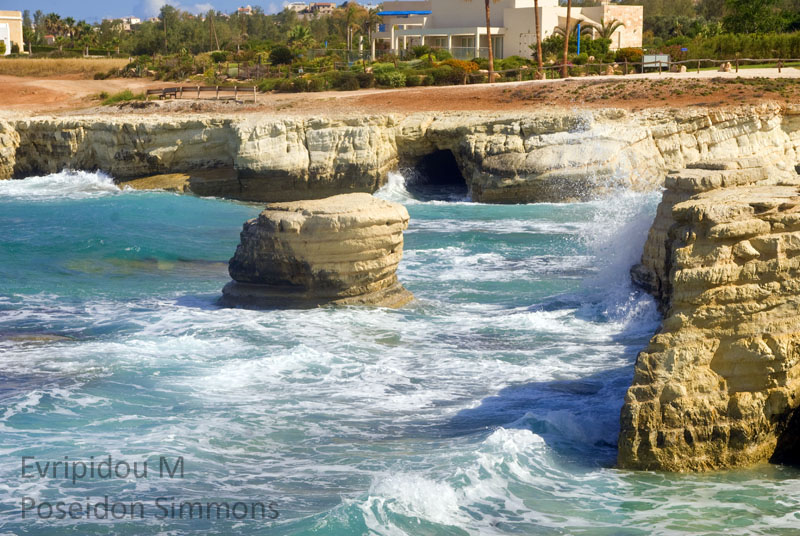
peyia sea caves 1
Ετικέτες
caves,
cyprus,
geology,
nature,
pafos,
papho,
pegia,
peyia,
photograpy,
photos,
sea,
tourism,
waves
Τόπος:
Peyia, Cyprus
Τετάρτη 10 Ιουνίου 2015
Toyota cyprus car parade 2015
an"emergency" blog update.
On 7th July 2015, Toyota cyprus attempted to break the previous record of most toyota cars (about 400 cars). Every cypriot with a toyota (me included) gathered at GSP stadium nicosia for a small km march (we broke the record, 800+ cars gathered-we will ahve the official report within the week).
Here is the official website
http://www.toyota.com.cy/world-of-toyota/cyprus/50-years/car-parade-2015.json
and a small video from me.
On 7th July 2015, Toyota cyprus attempted to break the previous record of most toyota cars (about 400 cars). Every cypriot with a toyota (me included) gathered at GSP stadium nicosia for a small km march (we broke the record, 800+ cars gathered-we will ahve the official report within the week).
Here is the official website
http://www.toyota.com.cy/world-of-toyota/cyprus/50-years/car-parade-2015.json
and a small video from me.
Δευτέρα 1 Ιουνίου 2015
Panagia Asinou at Nikitari
The church of Panagia Phorbiotissa, better known as Panagia of Asinou, is situated in the north foothills of the Troodos mountain range. It is built on the east bank of a stream, three kilometers south of the village of Nikitari. In 1985 it was inscribed on the UNESCO World Heritage List, which includes nine other painted Byzantine churches of the Troodos range.
Panagia Forbiotissa used to be the katholicon (monastery church) of the Monastery of Forbion, as its name implies. According to the dedicatory inscription above its south entrance, which is dated to 1105/6, the church was built with the donation of Magistros Nikephoros Ischyrios, who subsequently became a monk with the name Nikolaos. The monastery was founded in 1099 and it functioned until the end of the 18th century, when it was abandoned.
The church consists of two parts: the vaulted single-aisled nave and the narthex, which is a later addition belonging to the second half of the 12th century. The narthex with its two semi-circular apses belongs to a type directly influenced by Constantinople. Already from the 12th century a steep-pitched timber roof, covered with flat tiles, sheltered the church. Today no traces of the rest of the monastic buildings survive.
Panagia Forbiotissa used to be the katholicon (monastery church) of the Monastery of Forbion, as its name implies. According to the dedicatory inscription above its south entrance, which is dated to 1105/6, the church was built with the donation of Magistros Nikephoros Ischyrios, who subsequently became a monk with the name Nikolaos. The monastery was founded in 1099 and it functioned until the end of the 18th century, when it was abandoned.
The church consists of two parts: the vaulted single-aisled nave and the narthex, which is a later addition belonging to the second half of the 12th century. The narthex with its two semi-circular apses belongs to a type directly influenced by Constantinople. Already from the 12th century a steep-pitched timber roof, covered with flat tiles, sheltered the church. Today no traces of the rest of the monastic buildings survive.
Παρασκευή 15 Μαΐου 2015
Παρασκευή 1 Μαΐου 2015
Τετάρτη 15 Απριλίου 2015
Limassol castle part 1
from wikipedia website:
"The Medieval Castle of Limassol is situated near the old harbour in the heart of the historical centre of the city of Limassol. The castle as it appears today is a structure rebuilt circa 1590 under the period of Ottoman rule....
Archaeological investigation within the castle revealed that it was built over an Early Christian basilica (4-7th century A.D.) and a Middle Byzantine monument (10th-11th century A.D.). Other finds beneath the Castle witness the existence of an important church, possibly the city's first cathedral.
According to Etienne Lusignan, the original castle was erected by Guy de Lusignan in 1193. The first official reference to the fort dates to 1228, during the involvement of Frederic II of Germany in the affairs of Cyprus. From its erection until the beginning of the 16th century, damages were caused by the continuous attacks of the town by the Genoese and the Mameluks as well as by earthquakes alternating with restorations and reconstructions.
In 1538 the Ottomans captured Limassol and the castle. The Venetian governor of Cyprus, after recapturing the castle, decided to demolish it in order to avoid its possible seizure. This destruction was completed in 1567/8. After the Ottoman acquisition of Cyprus in 1576, the remains or parts of the remains of the castle were incorporated in the new Ottoman fort, completed in 1590, which was considerably strengthened. The underground chamber and the first floor were transformed into prison cells and remained in use until 1950
According to tradition, this is where Richard the Lionheart married Berengaria of Navarre and crowned her Queen of England in 1191."
"The Medieval Castle of Limassol is situated near the old harbour in the heart of the historical centre of the city of Limassol. The castle as it appears today is a structure rebuilt circa 1590 under the period of Ottoman rule....
Archaeological investigation within the castle revealed that it was built over an Early Christian basilica (4-7th century A.D.) and a Middle Byzantine monument (10th-11th century A.D.). Other finds beneath the Castle witness the existence of an important church, possibly the city's first cathedral.
According to Etienne Lusignan, the original castle was erected by Guy de Lusignan in 1193. The first official reference to the fort dates to 1228, during the involvement of Frederic II of Germany in the affairs of Cyprus. From its erection until the beginning of the 16th century, damages were caused by the continuous attacks of the town by the Genoese and the Mameluks as well as by earthquakes alternating with restorations and reconstructions.
In 1538 the Ottomans captured Limassol and the castle. The Venetian governor of Cyprus, after recapturing the castle, decided to demolish it in order to avoid its possible seizure. This destruction was completed in 1567/8. After the Ottoman acquisition of Cyprus in 1576, the remains or parts of the remains of the castle were incorporated in the new Ottoman fort, completed in 1590, which was considerably strengthened. The underground chamber and the first floor were transformed into prison cells and remained in use until 1950
According to tradition, this is where Richard the Lionheart married Berengaria of Navarre and crowned her Queen of England in 1191."
Τετάρτη 1 Απριλίου 2015
Εγγραφή σε:
Αναρτήσεις (Atom)


.jpg)


