counter

Τετάρτη 15 Ιουλίου 2015

Church of Panagia- Moutoullas village

from http://www.mcw.gov.cy/mcw/da/da.nsf/All/FB5FDD9D221C988DC2257199003216AE?OpenDocument
 "In the central part of Cyprus, in the mountains of the Troodos range, some of the most important monuments of the history of Byzantine painting have survived. These are the painted churches which have to this day preserved brilliant examples of various trends of Byzantine and post-Byzantine monumental art, from the 11th to the 19th century. Ten of these churches have so far been granted World Cultural Heritage status by UNESCO.

The church of Panagia is situated in a central area of the Troodos mountain range, in the valley of Marathasa. It is located on a hill above the village of Moutoullas. In 1985 it was inscribed in the UNESCO World Heritage List, which includes nine other painted Byzantine churches of the Troodos range. 

According to the dedicatory inscription on the north wall of the Holy Bema, the church was built and decorated with frescoes in 1280, with the donation of Ioannis of Moutoullas and his wife Irene. Both of them are depicted holding a model of the church. It is therefore possible, that the Church of Panagia tou Moutoulla was a private chapel. 

The church belongs to the well-known architectural type of the single-aisled, steep-pitched timber roof of the Troodos region. The narthex was added at a later stage, after the beginning of the 16th century, and it extends to the west and north sides the church. The timber roof also covers the narthex...."


Τετάρτη 1 Ιουλίου 2015

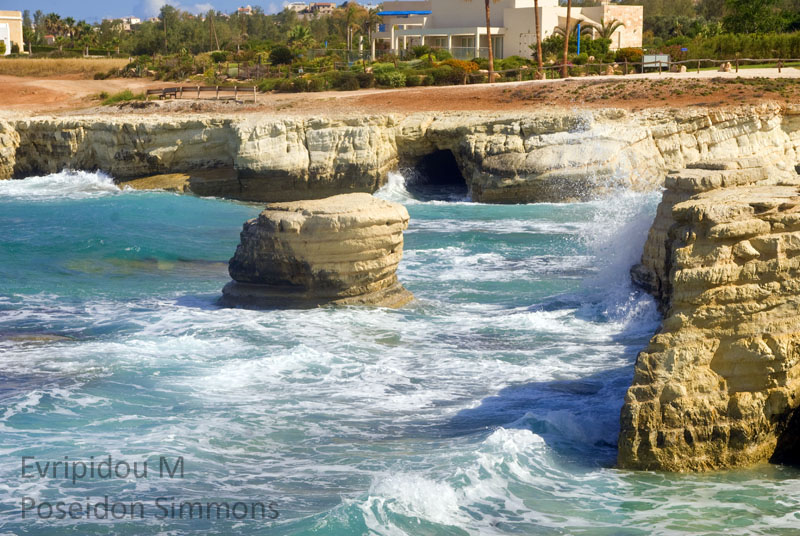
Limassol Promenade (Molos) part 1

from " http://www.limassolcyprus.net/attractions/limassol-promenade "
"
The Promenade in Limassol became a huge hit with holidaymakers for its great view of the sea, beaches and the palm fringed surroundings, with a backdrop of a long and slender sea shore and cooling water parks it creates a delightful atmosphere for adults and children alike.
The bustling streets flanking the seaside trail has a unique appeal of it's own, it’s packed with cafes, restaurants, trendy English style pubs, vibrant nightclubs and not to mention a wide range of shops selling almost everything from souvenirs to the latest trends.
To add a dash of local colour to your holidays, mingling with the locals would be great idea, after a long tiring day, spending some quality hours in the boulevard is surely gratifying, so take a stroll alongside the beach and enjoy.
"

The Limassol Promenade has been upgrated at 2015. 


Τετάρτη 10 Ιουνίου 2015

Toyota cyprus car parade 2015

an"emergency" blog update.
On 7th July 2015, Toyota cyprus attempted to break the previous record of most toyota cars (about 400 cars). Every cypriot with a toyota (me included) gathered at GSP stadium nicosia for a small km march (we broke the record, 800+ cars gathered-we will ahve the official report within the week).
Here is the official website
http://www.toyota.com.cy/world-of-toyota/cyprus/50-years/car-parade-2015.json
and a small video from me.


Δευτέρα 1 Ιουνίου 2015

Panagia Asinou at Nikitari

The church of Panagia Phorbiotissa, better known as Panagia of Asinou, is situated in the north foothills of the Troodos mountain range. It is built on the east bank of a stream, three kilometers south of the village of Nikitari. In 1985 it was inscribed on the UNESCO World Heritage List, which includes nine other painted Byzantine churches of the Troodos range.

Panagia Forbiotissa used to be the katholicon (monastery church) of the Monastery of Forbion, as its name implies. According to the dedicatory inscription above its south entrance, which is dated to 1105/6, the church was built with the donation of Magistros Nikephoros Ischyrios, who subsequently became a monk with the name Nikolaos. The monastery was founded in 1099 and it functioned until the end of the 18th century, when it was abandoned. 

The church consists of two parts: the vaulted single-aisled nave and the narthex, which is a later addition belonging to the second half of the 12th century. The narthex with its two semi-circular apses belongs to a type directly influenced by Constantinople. Already from the 12th century a steep-pitched timber roof, covered with flat tiles, sheltered the church. Today no traces of the rest of the monastic buildings survive.


Παρασκευή 15 Μαΐου 2015